Introduction
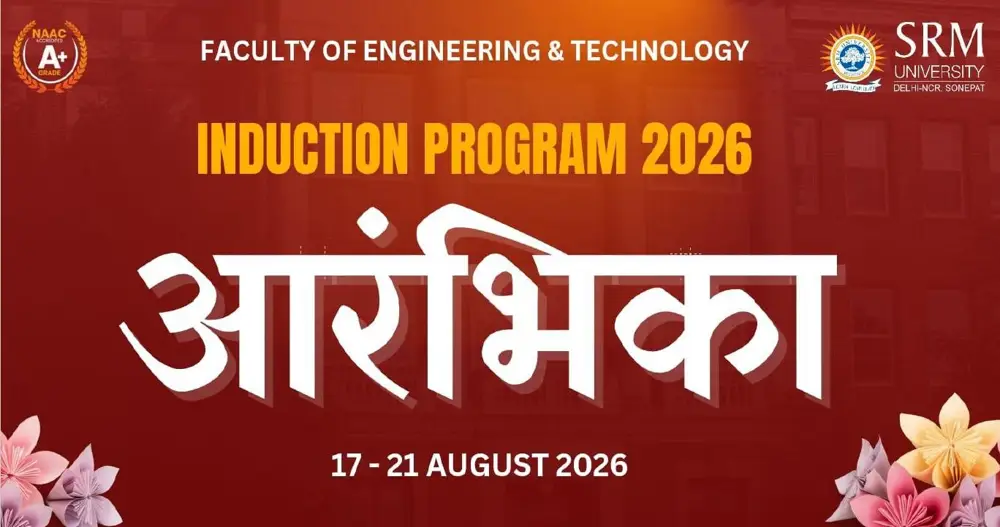
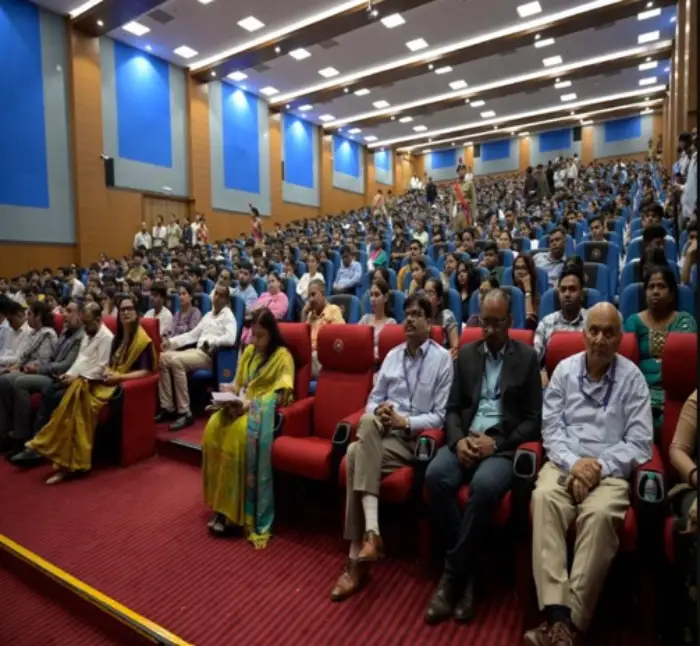
The Faculty of Engineering and Technology organized Day 0 of “Aarambika 2026 – Freshers’ Induction Programme” on 17 August 2026 to formally welcome the newly admitted students to the university community and familiarize them with the academic environment, engineering departments, institutional support systems, and various opportunities available on campus.
The programme was designed to help students make a smooth transition from school to university life. The sessions focused on providing students with an overview of the Faculty of Engineering and Technology, introducing them to academic leadership and departmental heads, and creating early awareness about the various university entities and committees that support students throughout their academic journey.
Welcome and Opening Session
The programme commenced with a warm welcome to the newly admitted students. The opening session highlighted that university life extends beyond classrooms, laboratories, and examinations. Students were encouraged to view their university journey as an opportunity to explore new interests, participate in activities, develop professional skills, interact with diverse communities, and create meaningful experiences. The students were formally welcomed to Aarambika 2026, marking the beginning of their journey at the Faculty of Engineering and Technology.
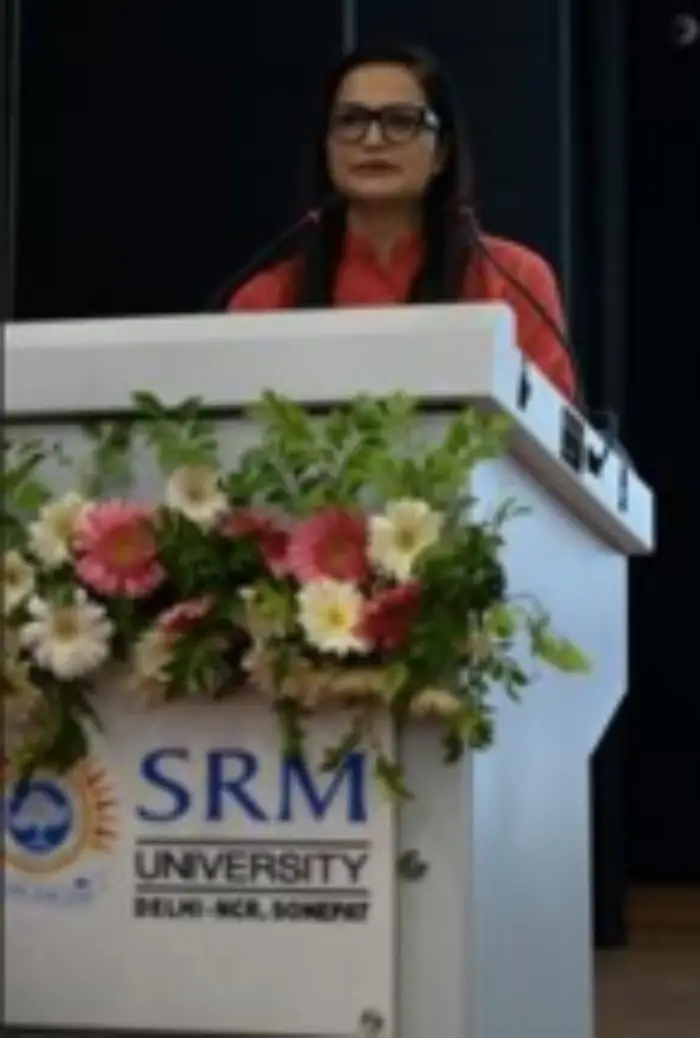
Welcome Address by the Dean Engineering & Technology
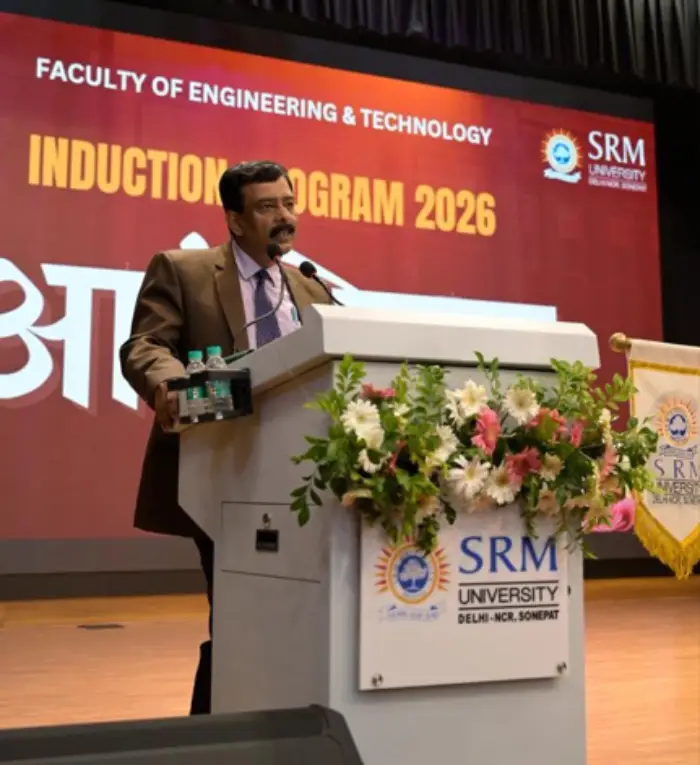
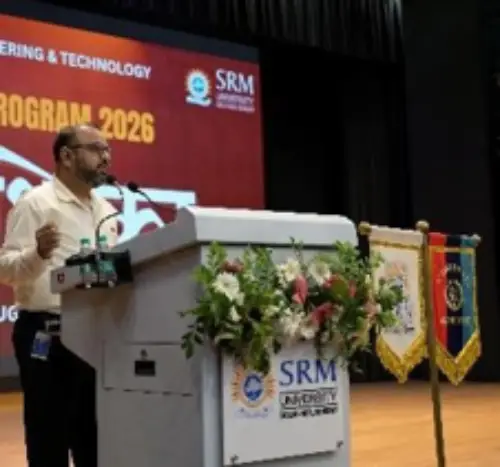
The inaugural briefing was delivered by Prof. Ranjit Roy, Dean, Faculty of Engineering and Technology. Prof. Roy welcomed the freshers and provided them with important guidance regarding their academic journey and their transition into university life. His address offered students a broader perspective on engineering education, academic excellence, innovation, and the opportunities available to them within the Faculty.
His extensive academic and research experience, particularly in the areas of Electrical Engineering, Power Systems, Artificial Intelligence, and Machine Learning, provided students with valuable insights into the evolving landscape of engineering education and technology. The session helped establish a positive academic orientation and set the tone for the induction programme.
Address by the Head, Department of Applied Science
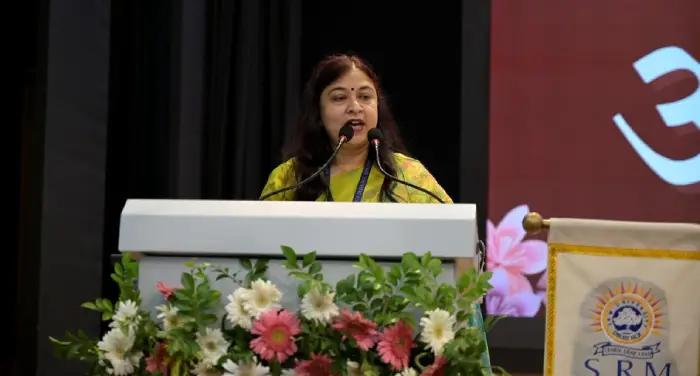
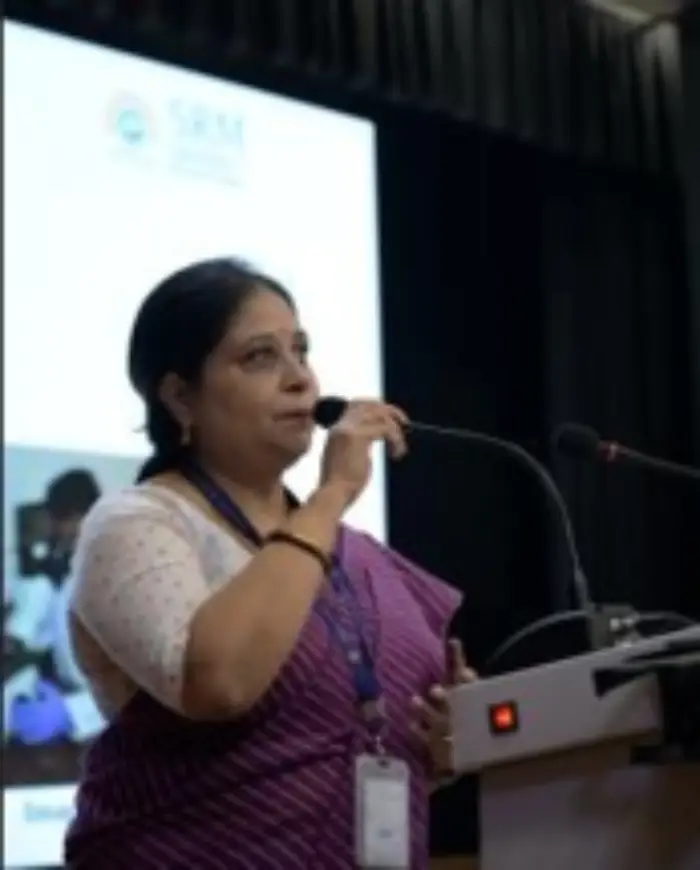
The next session was conducted by Dr. Preeti Tyagi, Associate Professor and Head, Department of Applied Science. The session emphasized the importance of Applied Sciences in developing the fundamental knowledge and analytical skills required for engineering education. Students were introduced to the role of Mathematics and foundational sciences in supporting their subsequent engineering courses.
Dr. Tyagi also shared insights into the academic environment, curriculum, research, and learning opportunities available to students. The session helped students understand that strong fundamentals form the foundation for successful learning in different engineering disciplines.
Departmental Introduction
A major component of Day 0 was the Departmental Introduction Session, which provided students with an opportunity to become familiar with the six engineering departments of the Faculty of Engineering and Technology. The session focused on introducing the academic landscape of each department, its faculty members, facilities, areas of specialization, achievements, and opportunities available to students.
Computer Science and Engineering
The session began with the Department of Computer Science and Engineering. The department introduced students to the rapidly evolving areas of computing, programming, Artificial Intelligence, algorithms, and emerging digital technologies. Dr. Rama Kant, HOD In-Charge, Computer Science and Engineering, addressed the students and provided an overview of the department and its academic environment.
Electronics and Communication Engineering
The next departmental session focused on Electronics and Communication Engineering. Students were introduced to the field of electronics, communication technologies, and the role of ECE in modern technological development. Dr. Pawan Kumar Singh, Head, Electronics and Communication Engineering, addressed the students and provided an overview of the department, its academic journey, and opportunities.
Electrical and Electronics Engineering
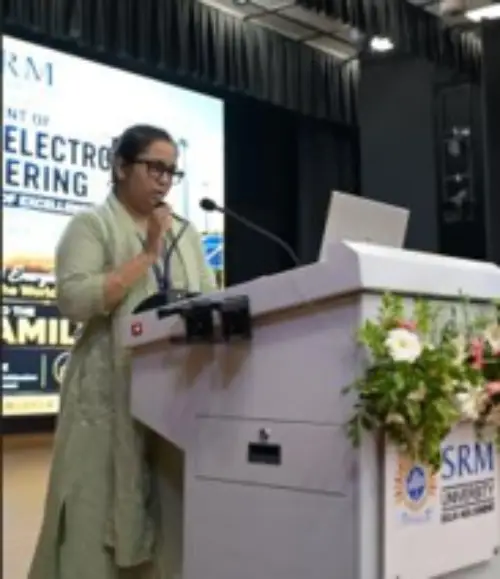
The third departmental introduction was for Electrical and Electronics Engineering. The session highlighted the transformation of electrical engineering through emerging technologies such as Artificial Intelligence and Machine Learning, smart automation, robotics, electric vehicles, and intelligent systems. The session demonstrated how modern electrical and electronics engineering integrates intelligent technologies to address real-world challenges. Dr. Deepika Yadav, Head, Electrical and Electronics Engineering, addressed the students and introduced them to the department, its academic environment, and the opportunities available in the field.
Mechanical Engineering
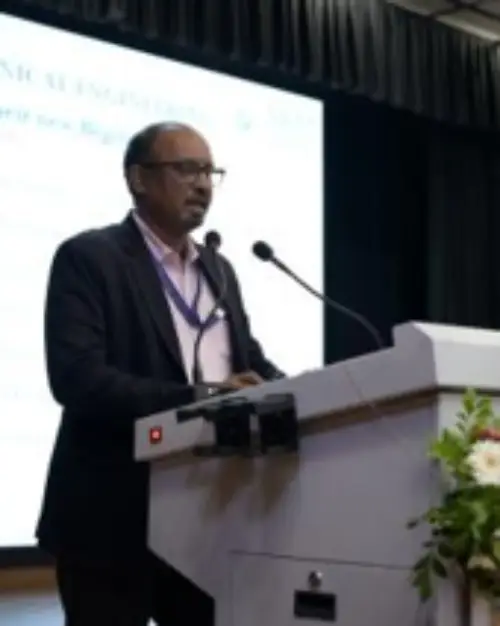
The Department of Mechanical Engineering was subsequently introduced to the students. The session highlighted the broad scope of mechanical engineering, including design, manufacturing, automation, mechanical innovation, and emerging approaches towards digital sustainability. Dr. R. Sankar, Head, Mechanical Engineering, addressed the students and provided an overview of the department and its academic and technological dimensions.
Biomedical Engineering
The next session introduced students to Biomedical Engineering, a multidisciplinary field that integrates engineering, technology, and healthcare. The session highlighted the role of engineering in developing technologies and solutions for healthcare and human well-being. Dr. Anjali Priyadarshini, Head, Biomedical Engineering, addressed the students and introduced them to the academic and professional possibilities within the discipline.
Civil Engineering
The departmental introduction concluded with Civil Engineering. The session focused on the role of civil engineering in developing the physical infrastructure and built environment. Areas such as structures, infrastructure development, sustainable development, and smart cities were highlighted. On behalf of Dr. Abhay Chaubey, Head, Civil Engineering, Dr. Ruchika Dabas addressed the students and provided an overview of the department.
Student-Centric University Entities and Committees
Following the departmental introductions, the programme moved towards an important student-oriented session on University Entities and Committees. The session was designed to help students understand the various institutional systems that support them during their university journey. Students were introduced to the different entities and committees responsible for academic support, student activities, opportunities, campus services, and other essential aspects of university life. The session was presented as a practical “Campus Survival Guide – Who Does What?”, helping students understand where to approach when they require assistance, information, or guidance regarding different university-related matters. This orientation was particularly useful for first-year students as it reduced uncertainty regarding institutional procedures and encouraged them to actively engage with the support systems available to them.
Visit to University Entities and Committees
At the conclusion of the orientation sessions, students were organized row-wise and instructed to follow the designated faculty in-charges for visits to the various university entities and committees. The visits provided students with an opportunity to become familiar with the physical locations and functions of the relevant institutional offices and support bodies.
Key Outcomes of Day 0
Day 1 of Aarambika 2026 successfully achieved the following objectives:
- Welcomed newly admitted students to the Faculty of Engineering and Technology.
- Introduced students to the academic leadership of the Faculty.
- Familiarized students with the role of Applied Sciences in engineering education.
- Provided an overview of all six engineering departments.
- Introduced students to departmental heads and academic leadership.
- Created awareness about emerging areas and career opportunities across engineering disciplines.
- Familiarized students with student-centric university entities and committees.
- Helped students understand institutional support mechanisms and points of contact.
- Encouraged students to actively participate in academic, co-curricular, and university activities.
- Reduced the uncertainty associated with entering a new academic and campus environment.
Aarambika 2026 - Day-2
Aarambika 2026 - Day-3
Aarambika 2026 - Day-4
Aarambika 2026 - Day-5
Conclusion
Aarambika 2026 provided a well-rounded induction experience, combining academic orientation, industry exposure, skill development, cultural engagement, innovation, and student support. The programme successfully helped freshers begin their university journey with greater confidence, awareness, and enthusiasm.