Introduction
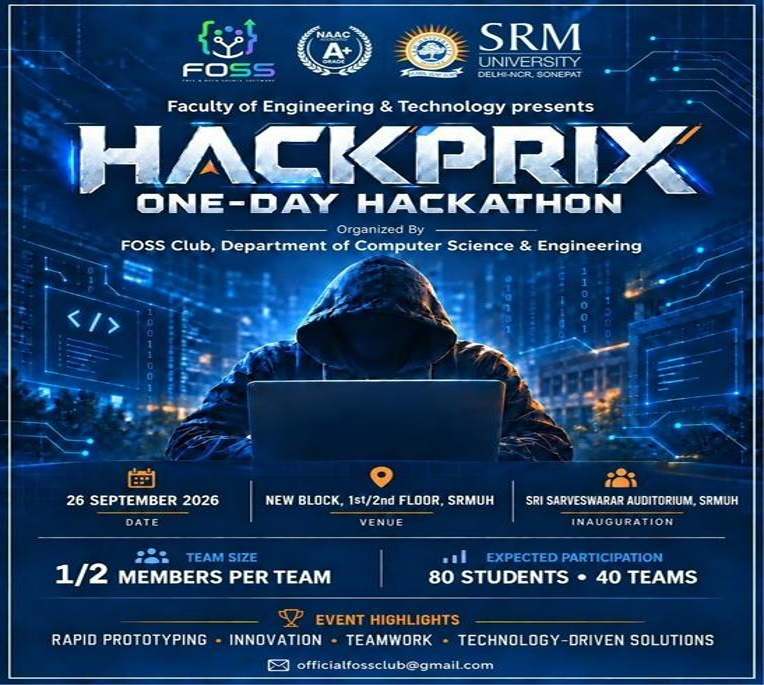
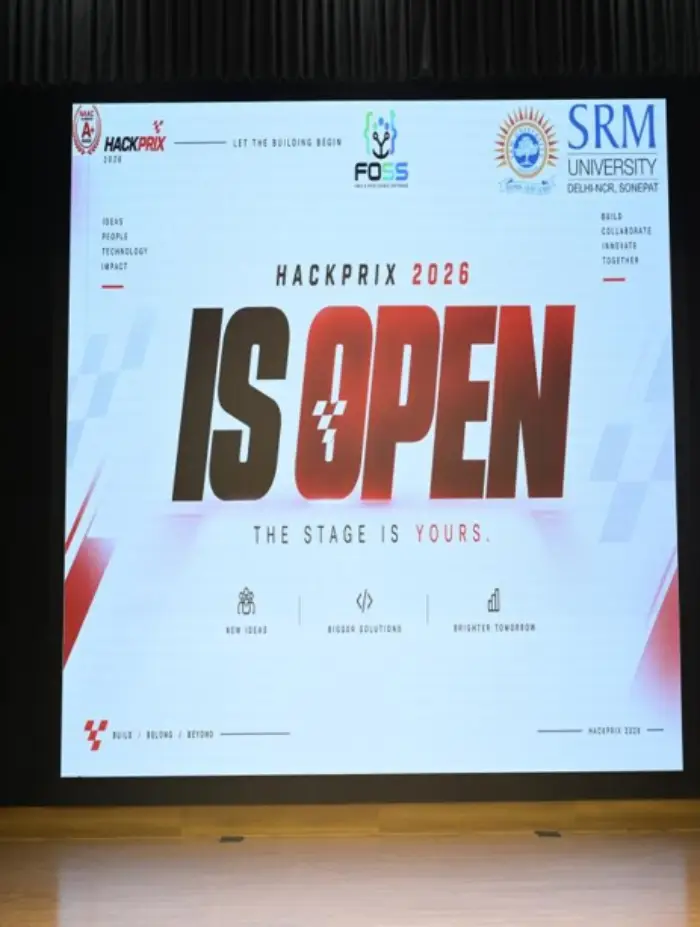
HackPrix 2026 was a one day hackathon organized by the FOSS Club of SRM
University, Sonepat, in association with Github and CoreIntern, as a platform for
student developers to design, build, and present innovative technology solutions
within a single day. The event brought together 56 student developers who worked in teams to translate ideas into working prototypes under time-bound,
competitive conditions.
The hackathon combined structured phases of ideation, hands-on development,
mentorship, and live judging, enabling participants to move from concept to a
demonstrable product while strengthening their technical, collaborative, and
presentation skills.
Objectives
- To provide student developers a platform to build innovative, real-world technology solutions.
- To encourage rapid prototyping and hands-on software development within a fixed time window.
- To promote teamwork and collaborative problem-solving among participants.
- To connect participants with industry mentors and partners for guidance during development.
- To evaluate projects on innovation, practical utility, technical execution, and presentation.
- To foster a culture of originality, ethical coding practices, and academic integrity.
- To help participants gain confidence in pitching and presenting technical work to a judging panel.
Key Highlights of the Session
The one-day hackathon was conducted from 9:00 AM to 7:00 PM, with 59 student
developers participating in teams of one to two members. The event featured two
structured hacking phases with dedicated mentor support, along with a lunch and
networking break that facilitated interaction with sponsors. A strict GitHub
repository submission deadline was enforced to ensure the originality of the work.
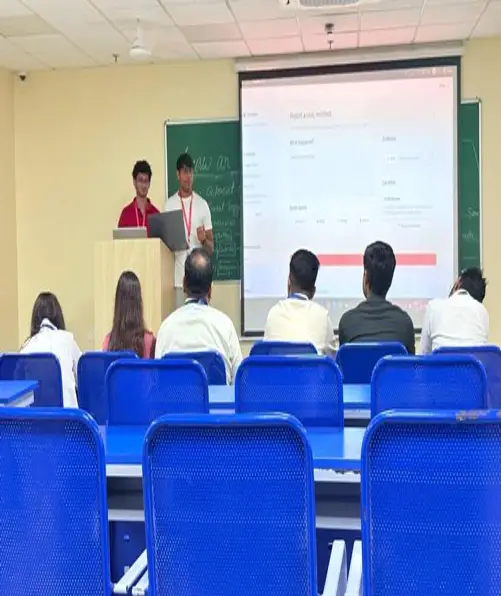
The hackathon concluded with live team presentations, followed by the judging
process and closing ceremony. The event was organised in official partnership
with GitHub and CoreIntern, alongside the FOSS Club.
HACKATHON PROCEEDINGS
EVENT SCHEDULE AND FLOW
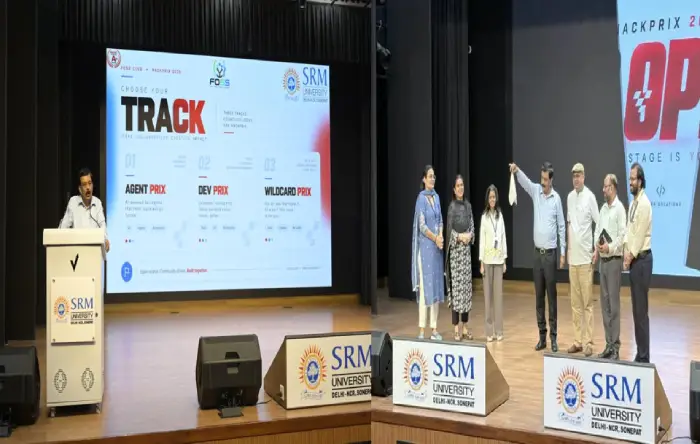
The day began with reporting, check-in, and team setup, followed by an opening
ceremony that included a welcome speech, an overview of rules, and a partner
spotlight for GitHub & CoreIntern. Hacking Phase 1 ran from 10:00 AM to 1:00
PM, during which teams began core development with mentors available for
guidance. A lunch and networking break followed, giving participants an
opportunity to interact with sponsors. Hacking Phase 2 continued from 2:00 PM
to 4:00 PM, during which teams finalized their code and prepared their pitches,
with the GitHub commit cutoff enforced sharply at 4:00 PM. The event concluded
with team demos, judging, and a closing ceremony where the winners and special
award recipients were announced.
MENTORSHIP AND GUIDANCE
Throughout both hacking phases, mentors were available to guide participants,
helping teams troubleshoot technical challenges and refine their project
direction. This support enabled teams to move efficiently from idea to working
prototype within the compressed timeframe.
PARTICIPATION
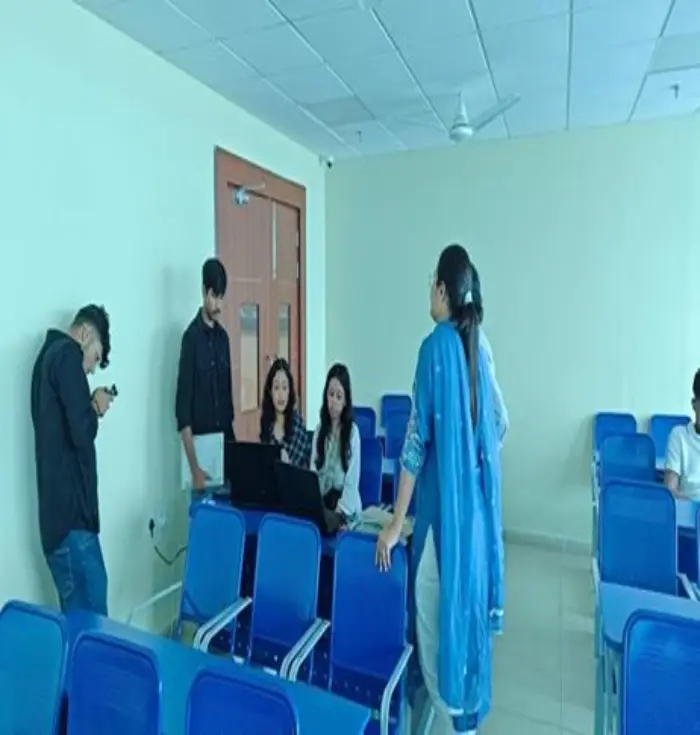
Around 59 student developers from SRM University took part, organized into
teams of 1 to 2 members. Teams engaged actively across ideation, coding, and
pitching, demonstrating enthusiasm and commitment to producing original,
functional prototypes within the hackathon's strict one-day originality window.
JUDGING AND FUTURE SCOPE
Projects were evaluated by a judging panel out of a total of 70 points across
seven criteria: Innovation & Creativity, Impact & Relevance, Technical
Implementation, Pitch & Presentation, User Experience & Design, Feasibility &
Scalability, and an Optional Bonus Point, with each criterion carrying 10
points. Each team was given 3 minutes to present their prototype, followed by a
2-minute question-and-answer session. The judges' decisions were treated as
final and binding.
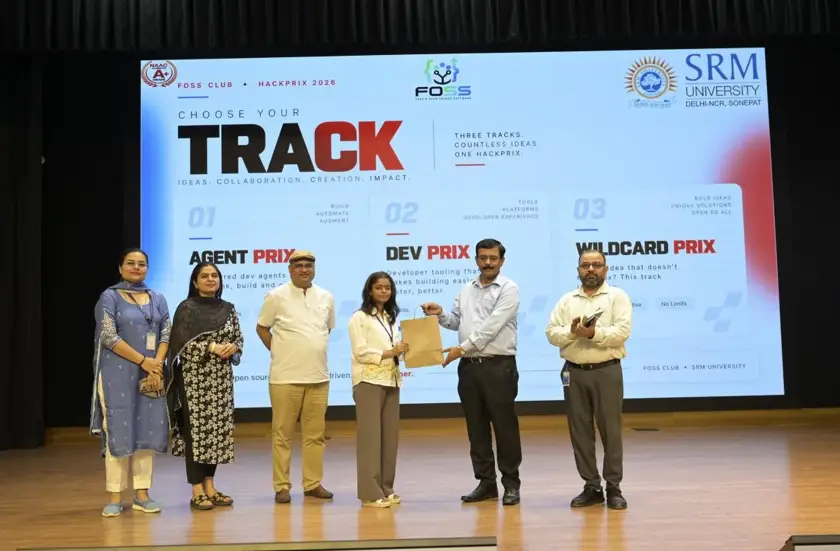
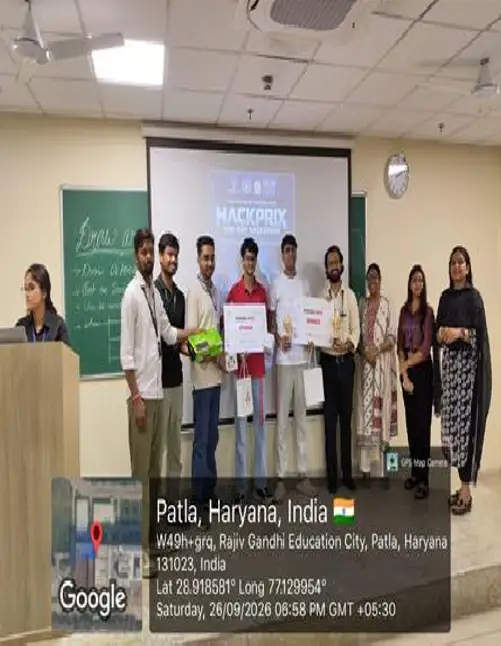
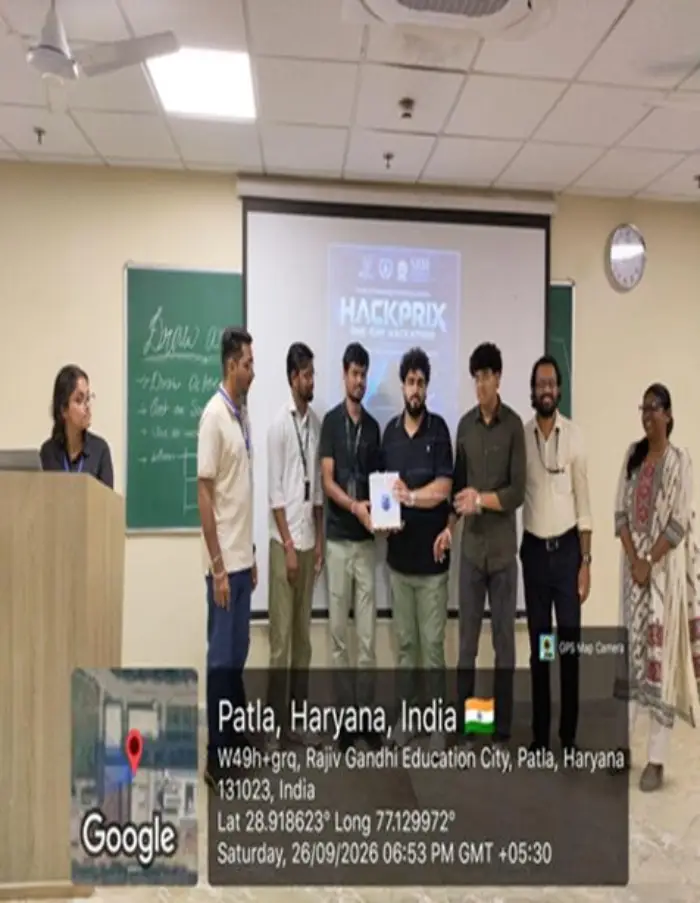
The competition recognized a Top 3 among the participating teams. In addition
to the top three positions, two special awards were presented for Best Technical
Implementation and Best Innovation, recognizing teams that demonstrated
notable technical execution and innovative problem-solving respectively. All five
winning teams received gaming keyboards, certificates, and additional goodies
as recognition of their performance and contribution to the event. And along
with this three more winners for the small competition “Octacat” given by the
mentor Ms. Bhawna received the prizes.
The event highlighted the growing enthusiasm among students for hackathon-
style, project-based learning and its potential to support future academic and
professional pursuits.
Conclusion
HackPrix 2026, organized by the FOSS Club of SRM University, Sonepat, in
association with GitHub & CoreIntern, proved to be an engaging and high-energy
platform for student developers to apply their technical skills to real-world
problem statements within a single day. The structured schedule, combination
of mentorship, competitive judging, and collaborative team-based development
enabled participants to strengthen their coding, teamwork, problem-solving, and
presentation abilities.
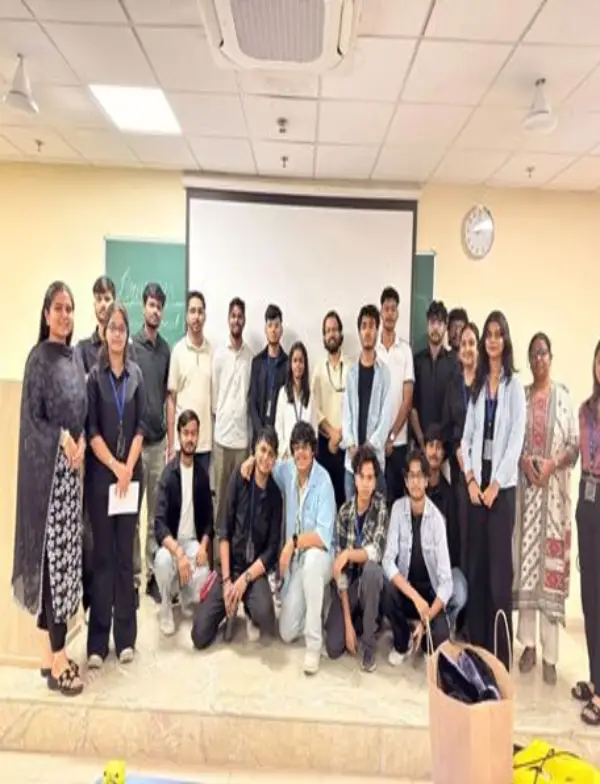
The active participation and enthusiasm shown by 59 student developers
contributed significantly to the success of the event. The recognition of the Top
3 teams, along with special awards for Best Technical Implementation and Best
Innovation, further celebrated the diverse strengths demonstrated by
participants. The winning teams were awarded gaming keyboards, certificates,
and additional goodies, providing tangible recognition for their efforts and
achievements.
Overall, HackPrix 2026 served as an effective platform for innovation and
skill-building, encouraging participants to further explore project-based
development and apply their learning to future academic projects, competitions,
and professional opportunities.